


 English
 Español
 Portugues
 Pусский
 Français
 Deutsch
 日本語
日本語 한국어
한국어 العربية
 Italiano
 Nederlands
 Polski
 ไทย
ไทย Türk dili
 हिन्दी
 Indonesia
 Melayu
 Tiếng Việt


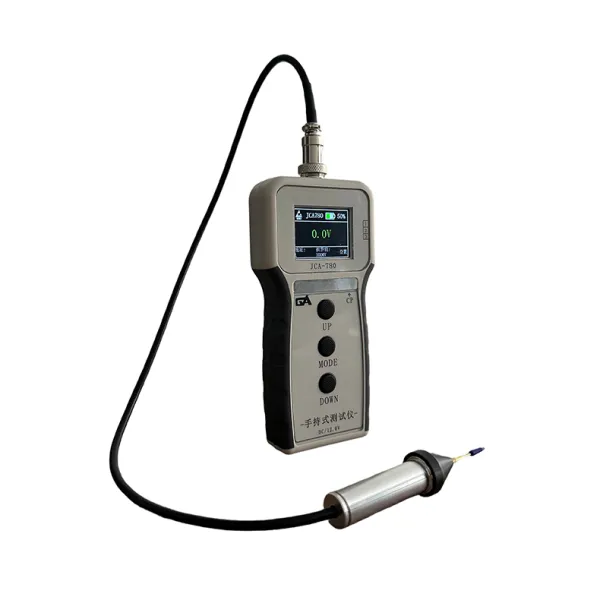


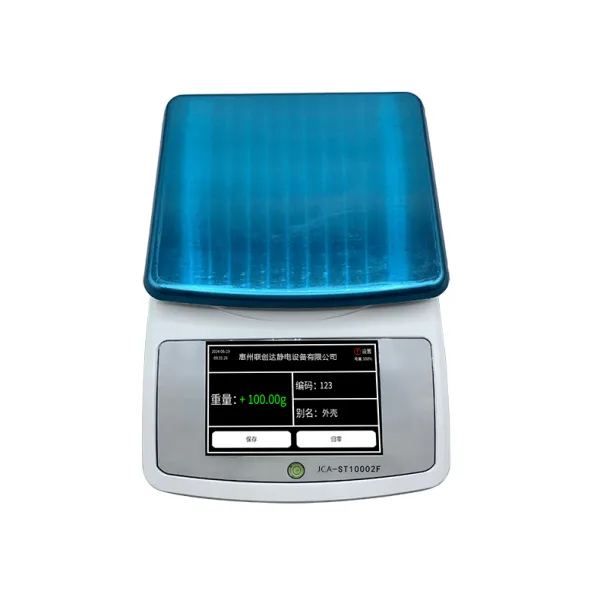
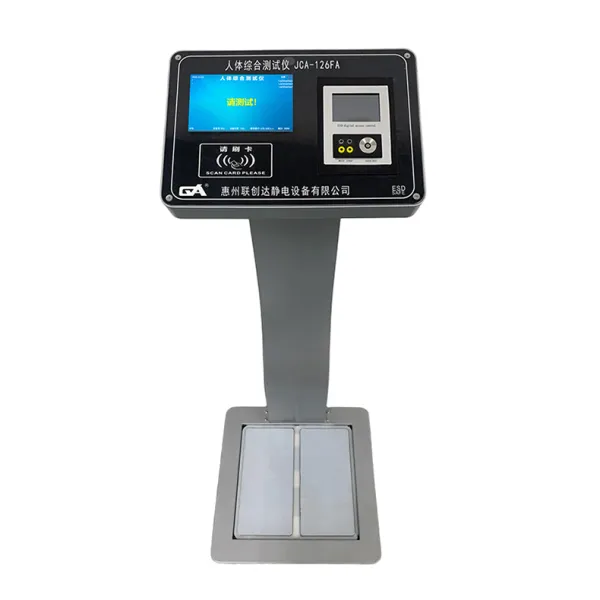
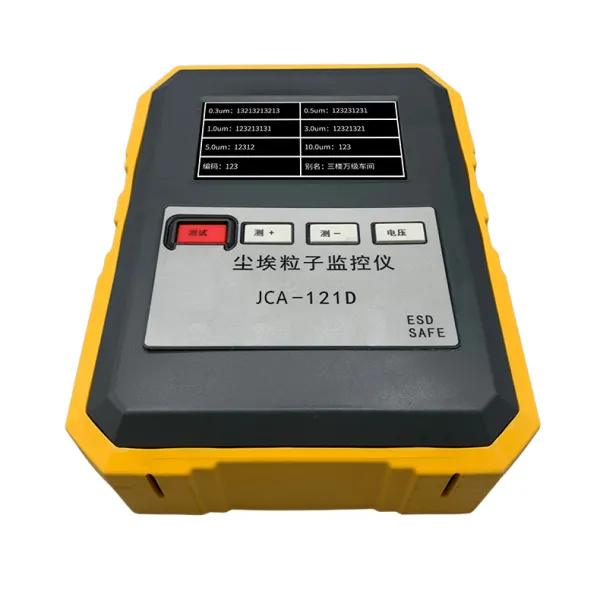
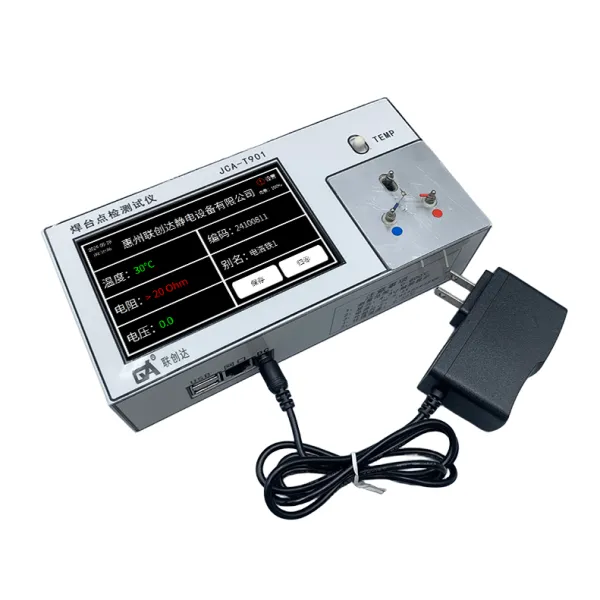
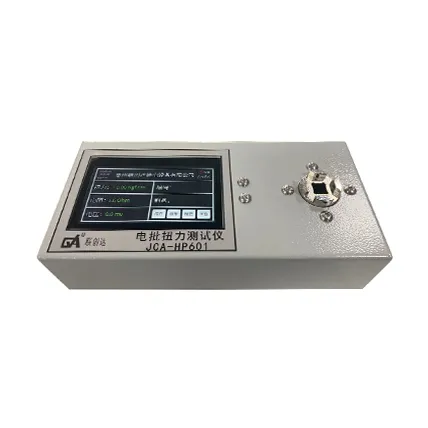
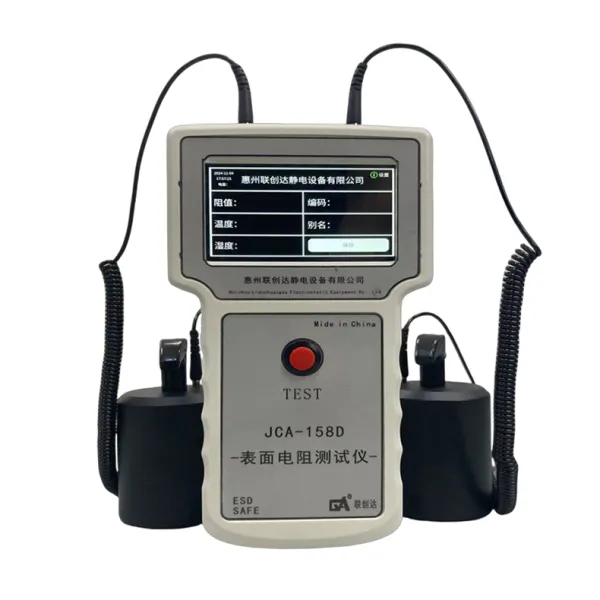
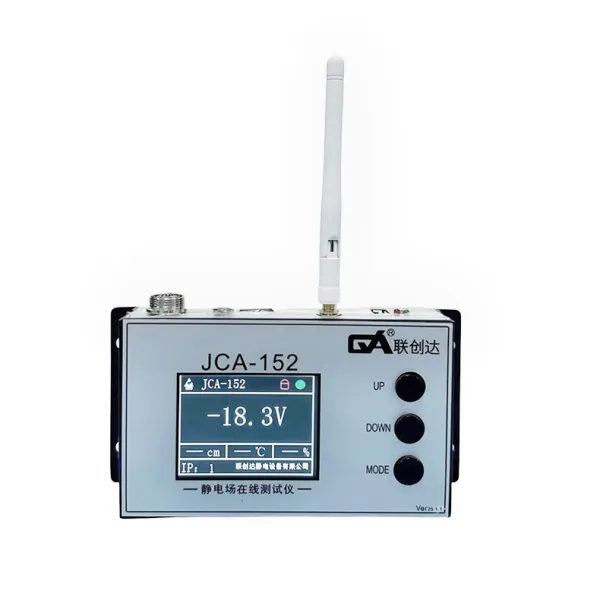

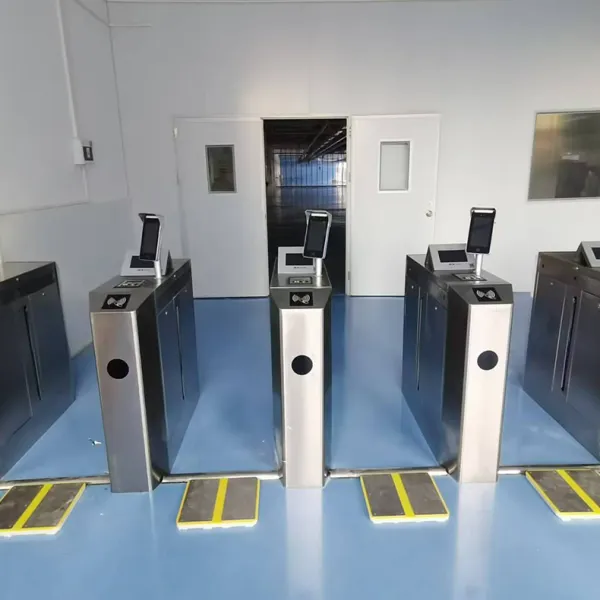

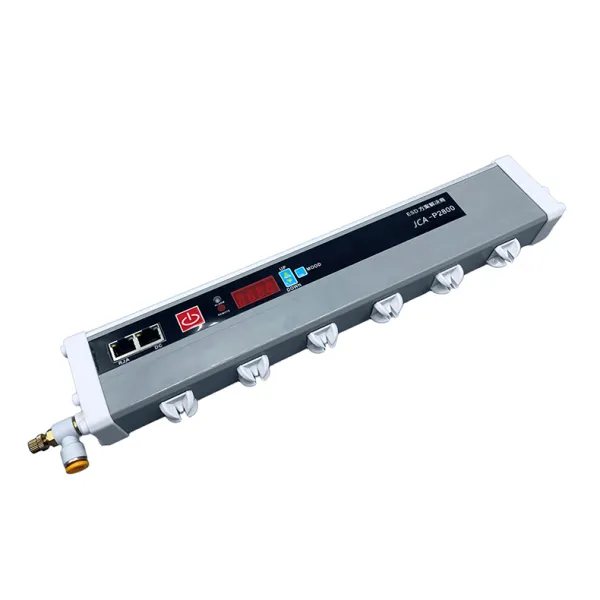
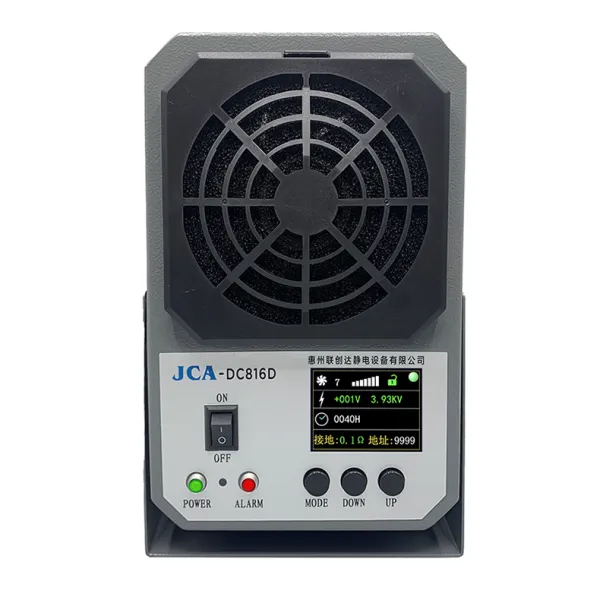

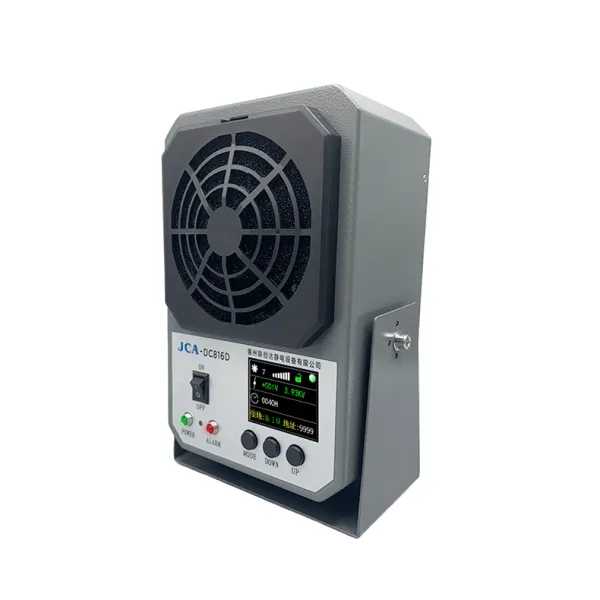
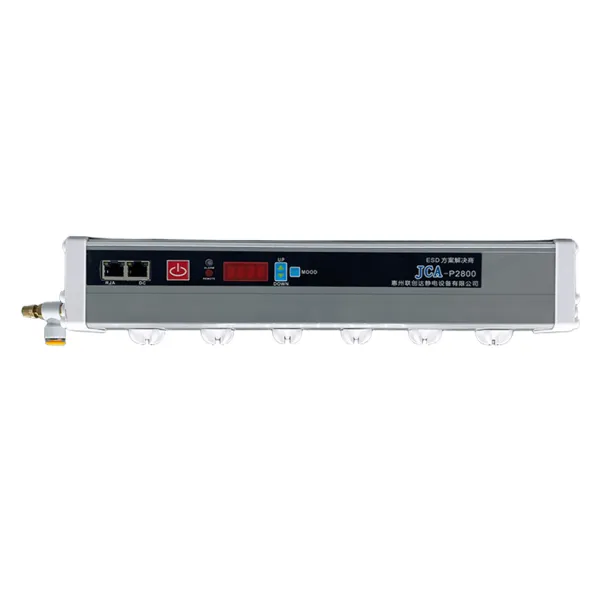

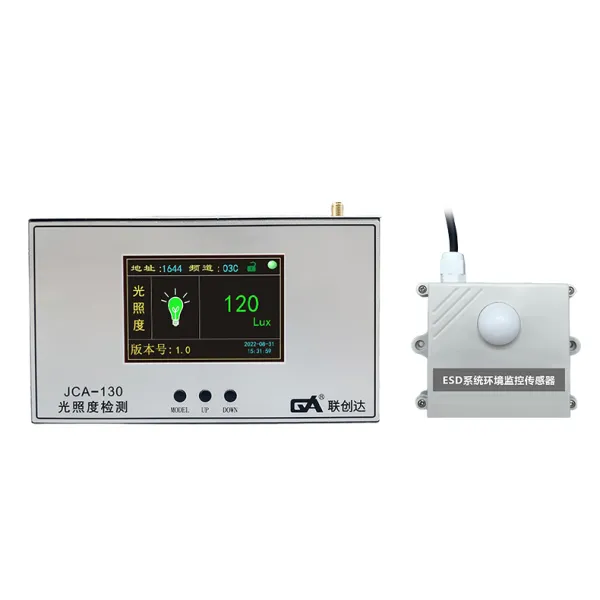

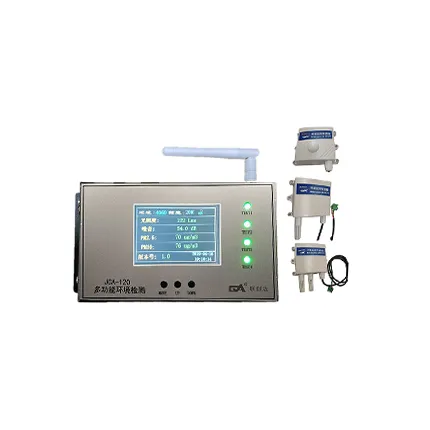
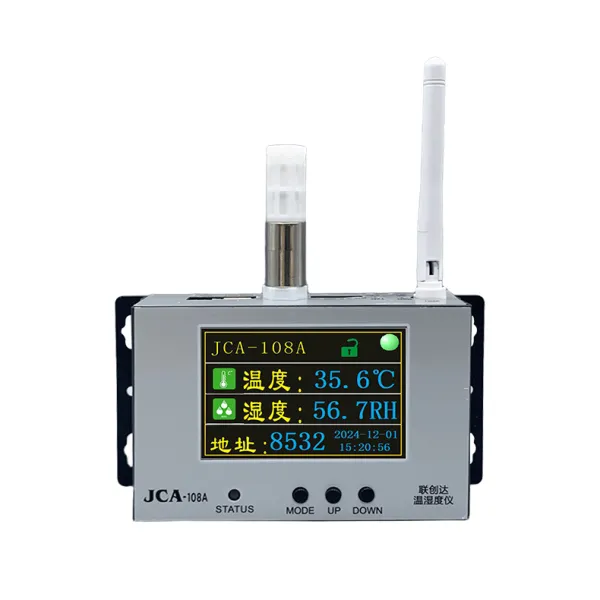
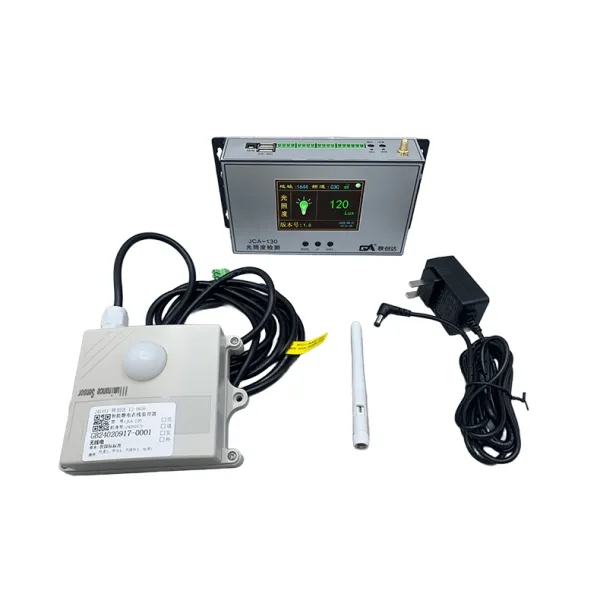


Flat plate ion detector
Flat Plate Ion Detector: Overview and Applications A flat plate ion detector is a compact and efficient device designed to detect and measure ionized particles or charged species in various environments. It operates based on the principle of ion collection, where charged particles are attracted to a conductive plate, generating a measurable current proportional to the ion concentration. This type of detector is widely used in scientific research, environmental monitoring, industrial processes, and space exploration due to its simplicity, reliability, and adaptability. Working Principle The detector consists of a flat, conductive plate (often made of metal or a coated semiconductor) that serves as the ion-collecting electrode. When ions in the surrounding environment come into contact with the plate, they transfer their charge, creating a small electric current. This current is amplified and processed to determine ion density or flux. The detector may operate in different modes, such as direct current (DC) or pulsed mode, depending on the application requirements. Key factors influencing performance include: - Bias Voltage: A small voltage applied to the plate enhances ion collection efficiency. - Plate Geometry: A larger surface area improves sensitivity but may reduce spatial resolution. - Environmental Conditions: Pressure, temperature, and gas composition affect ion mobility and detection accuracy. Advantages - Compact Design: The flat plate configuration allows for easy integration into portable or embedded systems. - Low Power Consumption: Suitable for battery-operated or remote sensing applications. - Fast Response Time: Capable of real-time ion monitoring. - Durability: Robust construction enables operation in harsh environments. Applications 1. Environmental Monitoring: Measures atmospheric ions to study air quality, pollution, or lightning precursors. 2. Industrial Process Control: Detects ions in plasma etching, semiconductor manufacturing, or combustion analysis. 3. Space Science: Used in spacecraft to analyze solar wind or planetary ionospheres. 4. Laboratory Research: Supports experiments in plasma physics, mass spectrometry, or chemical ionization studies. Limitations - Interference: Neutral particles or electromagnetic noise may affect readings. - Calibration Requirements: Regular calibration is needed to maintain accuracy. - Limited Species Discrimination: Unlike mass spectrometers, it cannot differentiate ion types without additional filtering. Conclusion The flat plate ion detector is a versatile tool for ion detection, offering a balance of simplicity and performance. Its adaptability makes it valuable across multiple fields, though complementary technologies may be required for advanced analytical needs. Future advancements could focus on miniaturization, enhanced selectivity, and integration with smart sensor networks. (Word count: 500)
পণ্য
শ্রেণীবিভাগ:
Instrument detection
এখনও কোন অনুসন্ধান ফলাফল!
খবর
শ্রেণীবিভাগ:
-
[Industry news]The Impact of Wireless ESD Monitoring Equipment on Productiv...
2025-11-12 15:06:18
মামলা
শ্রেণীবিভাগ:
এখনও কোন অনুসন্ধান ফলাফল!
ভিডিও
শ্রেণীবিভাগ:
এখনও কোন অনুসন্ধান ফলাফল!
ডাউনলোড
শ্রেণীবিভাগ:
এখনও কোন অনুসন্ধান ফলাফল!
নিয়োগ
শ্রেণীবিভাগ:
এখনও কোন অনুসন্ধান ফলাফল!
প্রস্তাবিত পণ্য
এখনও কোন অনুসন্ধান ফলাফল!



 হোয়াটসঅ্যাপ
 টেলিফোন