


 English
 Español
 Portugues
 Pусский
 Français
 Deutsch
 日本語
日本語 한국어
한국어 العربية
 Italiano
 Nederlands
 Polski
 ไทย
ไทย Türk dili
 हिन्दी
 Indonesia
 Melayu
 Tiếng Việt


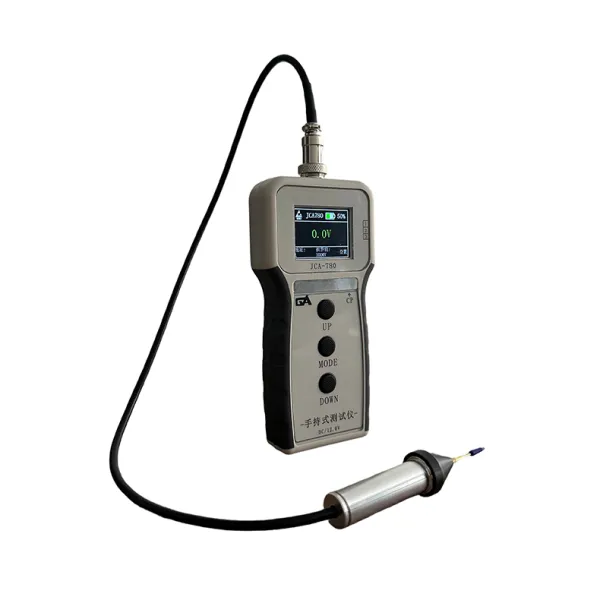


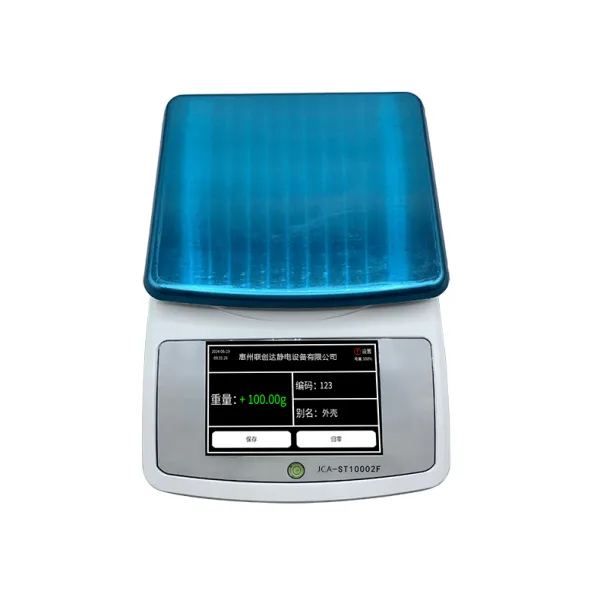
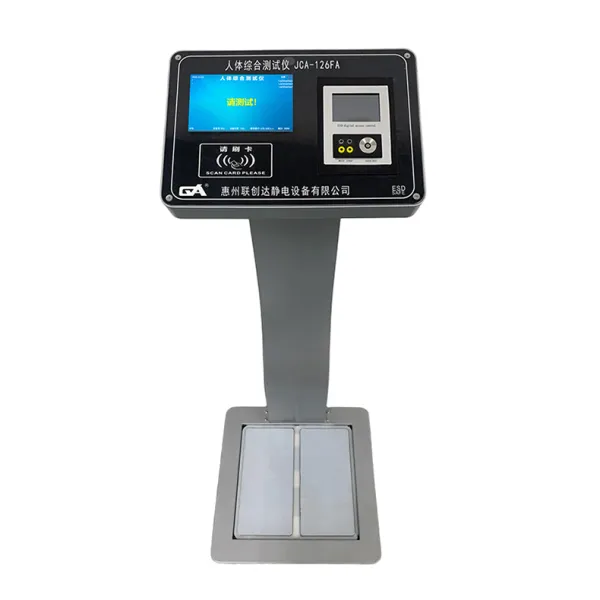
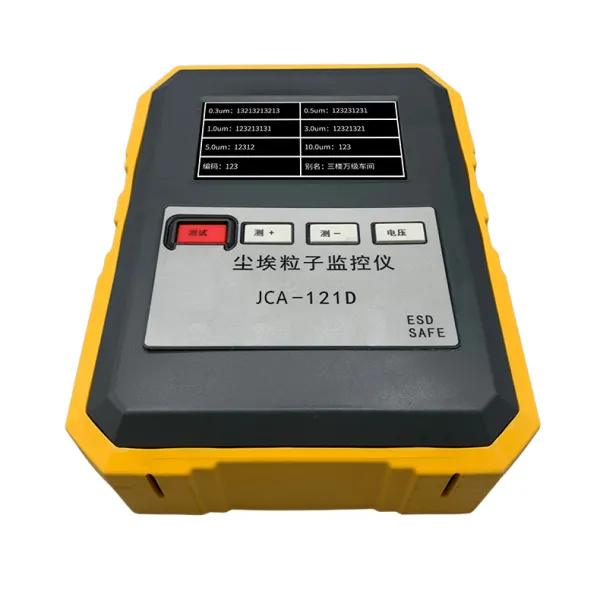



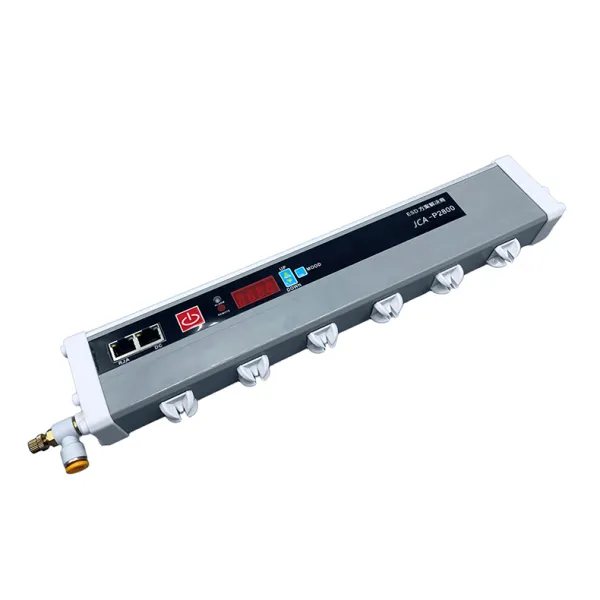
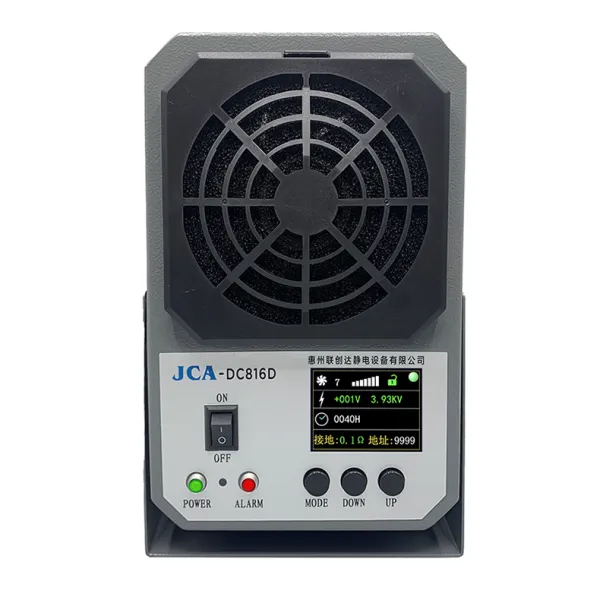

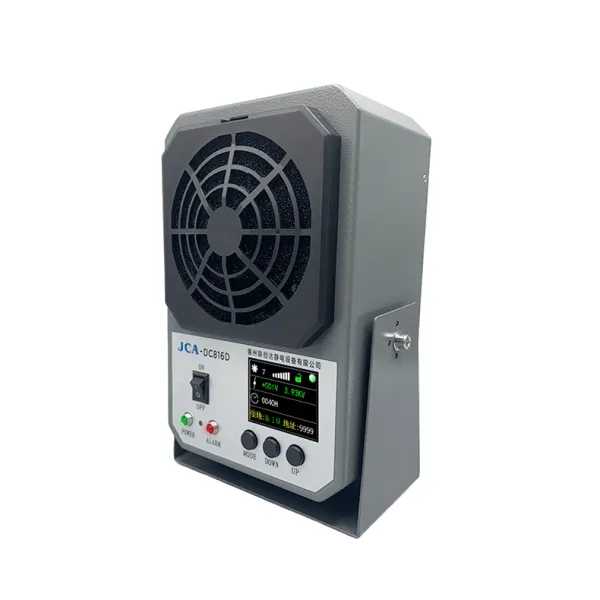
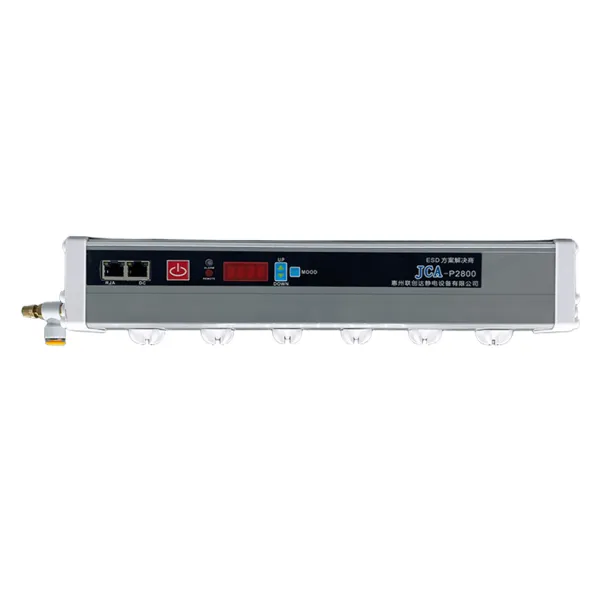




static eliminator
Static Eliminator: Principles, Types, and Applications A static eliminator is a device designed to neutralize electrostatic charges on surfaces, materials, or in environments where static electricity can cause operational disruptions, safety hazards, or product defects. Static electricity arises from the imbalance of electrons between materials, often due to friction, separation, or induction. In industrial and commercial settings, uncontrolled static can lead to issues such as dust attraction, material clumping, equipment malfunctions, or even fire risks in flammable environments. How Static Eliminators Work Static eliminators function by generating ions to counteract electrostatic charges. They typically use one of the following methods: 1. Ionization (Active Elimination): - Corona Discharge: High-voltage electrodes ionize surrounding air, producing positive and negative ions. These ions neutralize charged surfaces upon contact. - Pulsed DC or AC Systems: Alternating current ensures balanced ionization, preventing overcharging of surfaces. 2. Passive Elimination: - Uses conductive or dissipative materials (e.g., brushes or carbon fiber) to safely ground static charges without external power. Types of Static Eliminators 1. Air Ionizers: - Blow ionized air to neutralize static on non-conductive materials (e.g., plastics, films). Common in packaging, printing, and electronics manufacturing. 2. Bar Ionizers: - Installed near production lines to treat large or moving surfaces (e.g., textiles, paper rolls). 3. Gun-type Ionizers: - Handheld devices for targeted static removal in precision tasks like semiconductor assembly. 4. Nozzle Ionizers: - Direct focused ionized airflow for high-speed processes like web handling. Applications - Manufacturing: Prevents static cling in plastic molding, dust contamination in cleanrooms, and misalignment in automated assembly. - Printing & Packaging: Reduces paper jams and ink splattering. - Electronics: Protects sensitive components from electrostatic discharge (ESD) damage. - Medical & Pharmaceutical: Ensures sterile conditions by minimizing particle adhesion. Advantages - Improves product quality and process efficiency. - Enhances workplace safety by mitigating fire/explosion risks. - Reduces downtime caused by static-related malfunctions. In summary, static eliminators are essential in modern industries, offering reliable solutions to manage electrostatic interference across diverse applications. Their selection depends on factors like material type, environmental conditions, and required precision.
পণ্য
শ্রেণীবিভাগ:
এখনও কোন অনুসন্ধান ফলাফল!
খবর
শ্রেণীবিভাগ:
-
[Industry news]Applications of Electrostatic Field Testers: From Semiconduc...
2025-11-12 17:45:08
মামলা
শ্রেণীবিভাগ:
এখনও কোন অনুসন্ধান ফলাফল!
ভিডিও
শ্রেণীবিভাগ:
এখনও কোন অনুসন্ধান ফলাফল!
ডাউনলোড
শ্রেণীবিভাগ:
এখনও কোন অনুসন্ধান ফলাফল!
নিয়োগ
শ্রেণীবিভাগ:
এখনও কোন অনুসন্ধান ফলাফল!
প্রস্তাবিত পণ্য
এখনও কোন অনুসন্ধান ফলাফল!



 হোয়াটসঅ্যাপ
 টেলিফোন