


 English
 Español
 Portugues
 Pусский
 Français
 Deutsch
 日本語
日本語 한국어
한국어 العربية
 Italiano
 Nederlands
 Polski
 ไทย
ไทย Türk dili
 हिन्दी
 Indonesia
 Melayu
 Tiếng Việt


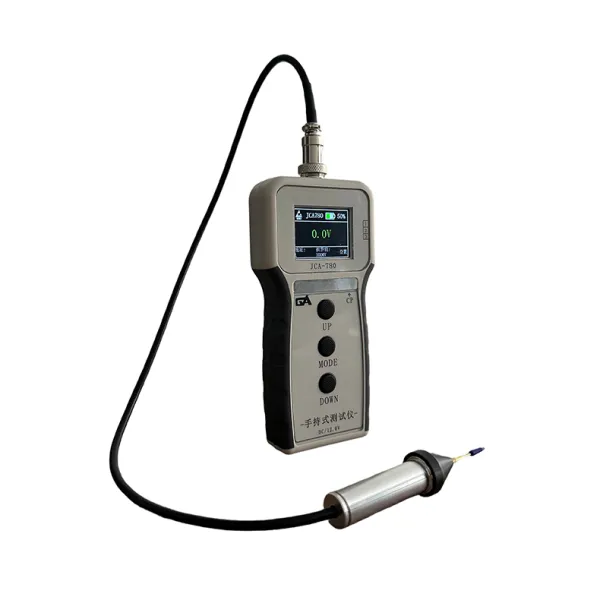



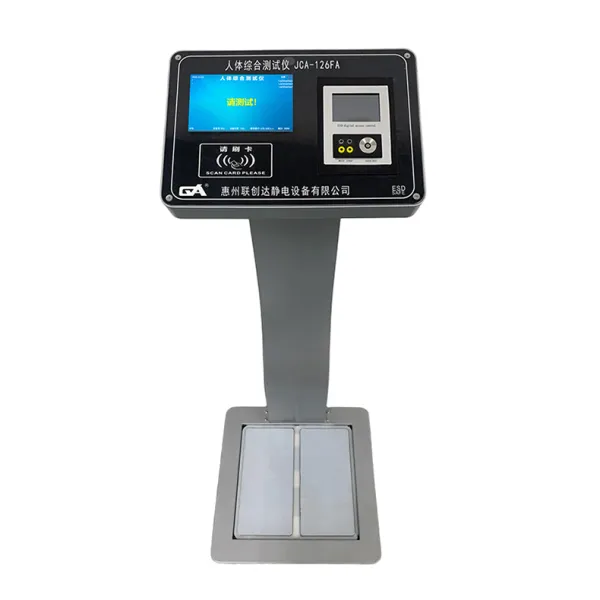
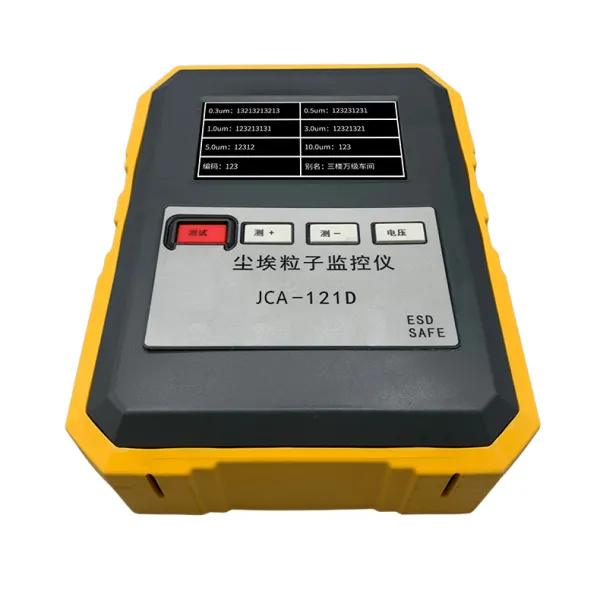
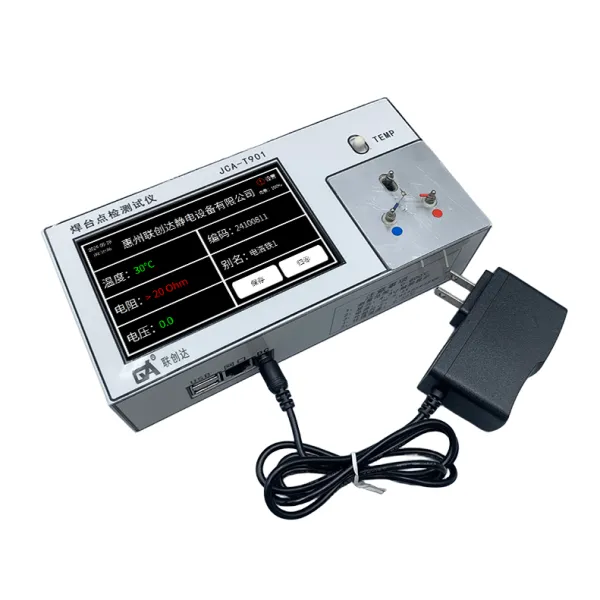
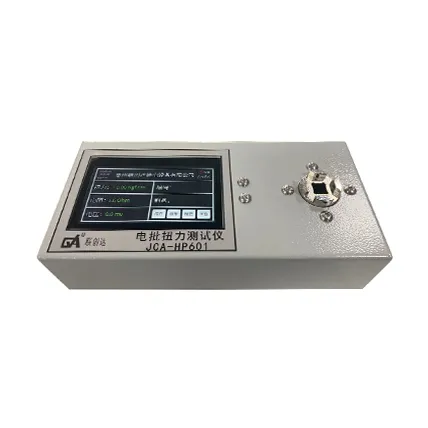
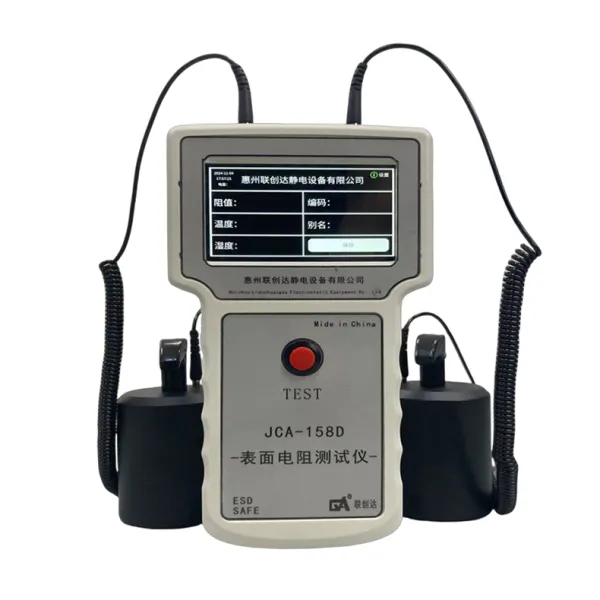
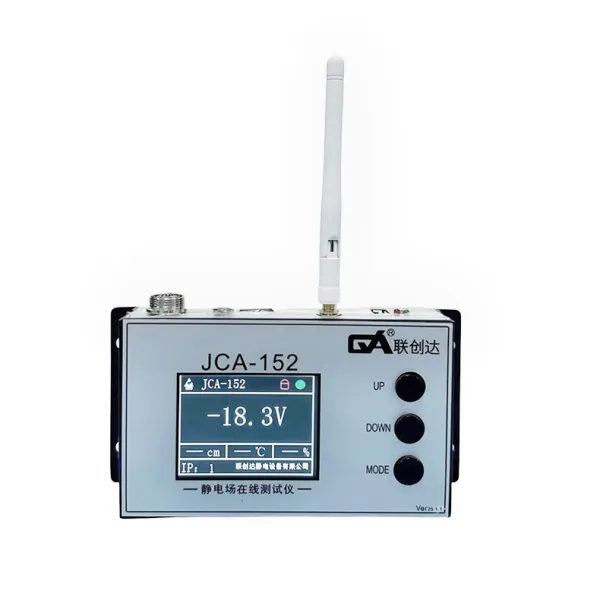

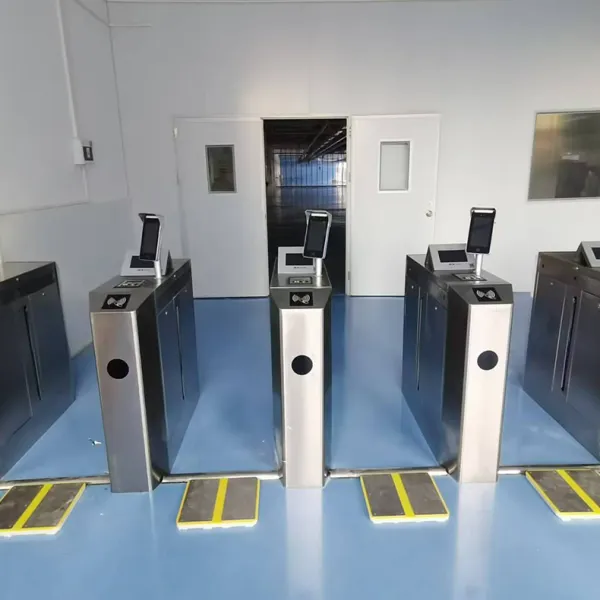

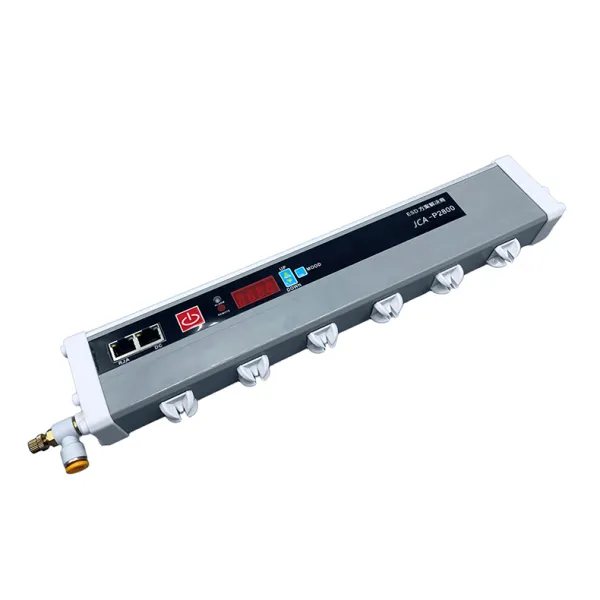
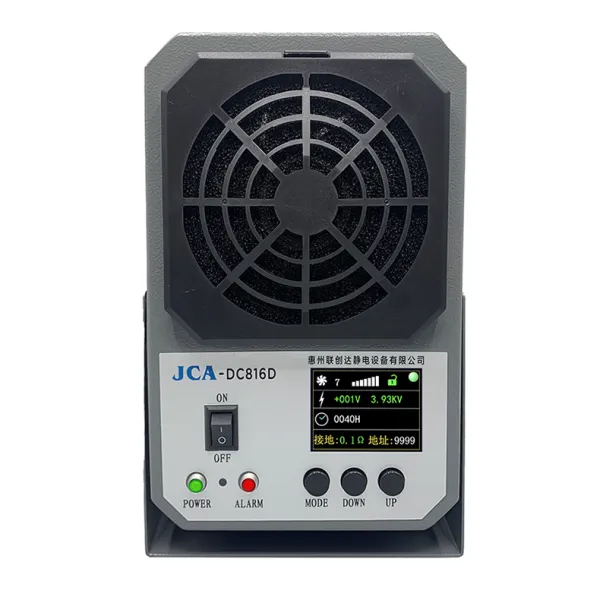

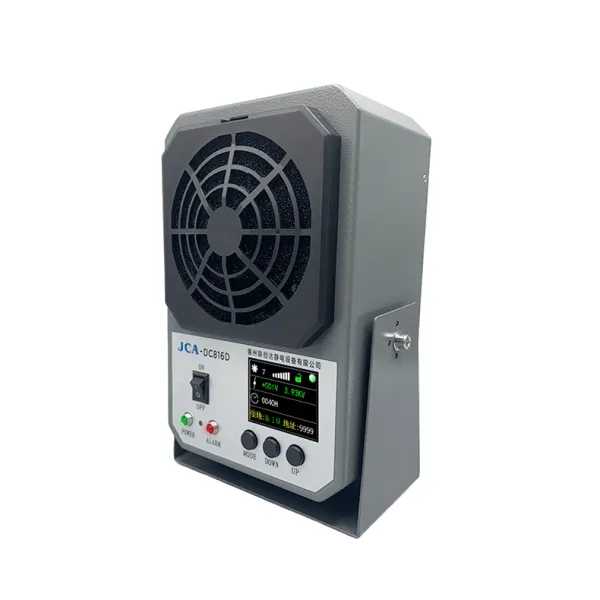
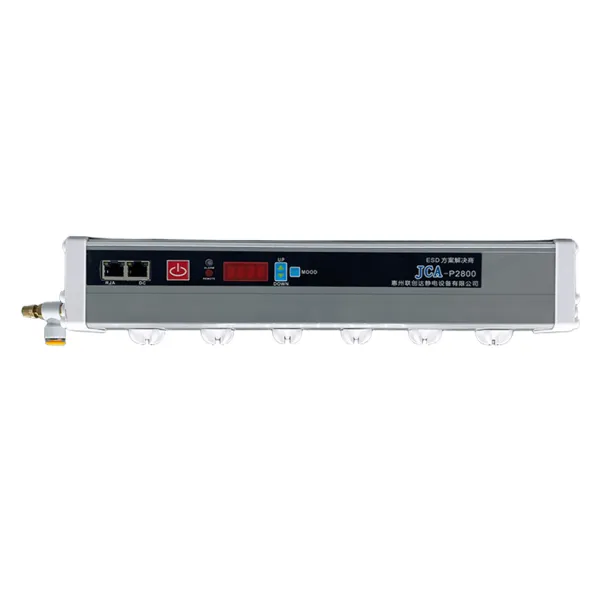

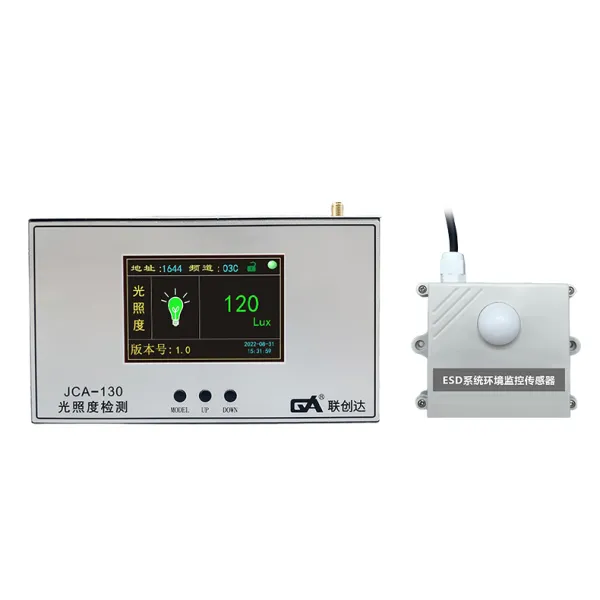

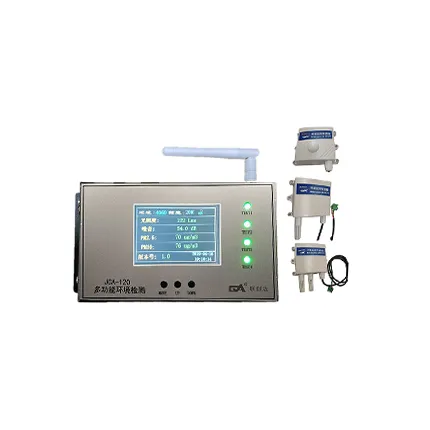
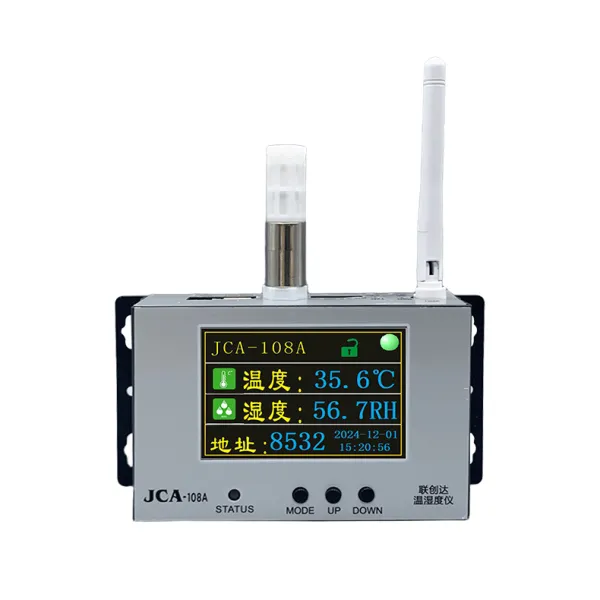
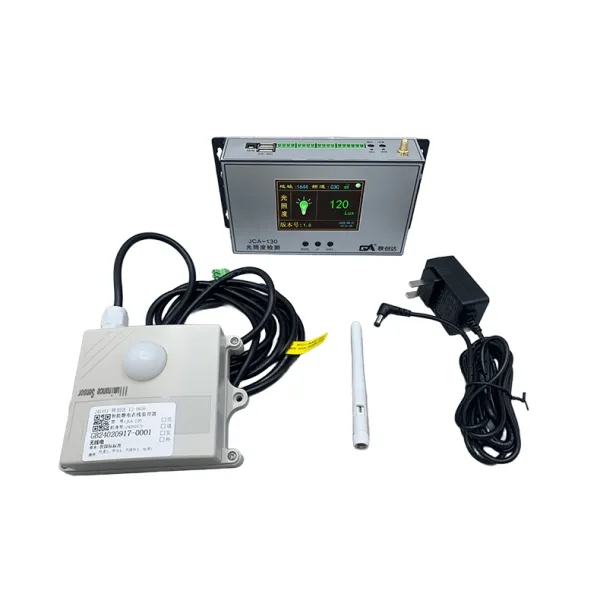


Static Voltage Meter
Static Voltage Meter: An Overview A static voltage meter is a specialized instrument designed to measure electrostatic charges or static electricity present on surfaces, materials, or in the surrounding environment. These meters are widely used in industries where electrostatic discharge (ESD) can pose risks to sensitive electronic components, manufacturing processes, or workplace safety. By detecting and quantifying static voltage levels, these devices help mitigate potential hazards and ensure optimal operational conditions. Key Features and Functionality Static voltage meters typically operate by sensing the electric field generated by static charges. They can measure both positive and negative voltages, often displaying results in volts (V) or kilovolts (kV), depending on the magnitude. Key features include: 1. Non-Contact Measurement: Most static voltage meters use non-contact sensing technology, allowing measurements without physical interaction with the charged surface. This prevents interference with the charge distribution. 2. Wide Measurement Range: High-precision models can detect voltages from a few volts up to several kilovolts, catering to diverse applications. 3. Real-Time Monitoring: Many devices provide real-time readings, enabling immediate corrective actions in dynamic environments. 4. Portability and Ease of Use: Compact, handheld designs with intuitive interfaces make these meters suitable for fieldwork and industrial settings. Applications Static voltage meters are essential in various sectors: - Electronics Manufacturing: Preventing ESD damage to semiconductors, PCBs, and other sensitive components. - Packaging and Printing: Monitoring static in plastic films, paper, or textiles to avoid material sticking or sparking. - Chemical and Pharmaceutical Industries: Ensuring safety in environments where static could ignite flammable substances. - Quality Control: Verifying anti-static measures in workspaces or materials like flooring, clothing, or packaging. Considerations for Use To ensure accurate measurements, users must account for environmental factors like humidity, temperature, and proximity to other charged objects. Regular calibration and adherence to manufacturer guidelines are critical for maintaining reliability. Conclusion Static voltage meters play a vital role in managing electrostatic risks across industries. Their ability to provide precise, non-invasive measurements makes them indispensable for maintaining safety, improving productivity, and protecting sensitive equipment from ESD-related failures. By integrating these devices into routine checks, businesses can effectively control static electricity and its potential impacts.
পণ্য
শ্রেণীবিভাগ:
এখনও কোন অনুসন্ধান ফলাফল!
খবর
শ্রেণীবিভাগ:
এখনও কোন অনুসন্ধান ফলাফল!
মামলা
শ্রেণীবিভাগ:
এখনও কোন অনুসন্ধান ফলাফল!
ভিডিও
শ্রেণীবিভাগ:
এখনও কোন অনুসন্ধান ফলাফল!
ডাউনলোড
শ্রেণীবিভাগ:
এখনও কোন অনুসন্ধান ফলাফল!
নিয়োগ
শ্রেণীবিভাগ:
এখনও কোন অনুসন্ধান ফলাফল!
প্রস্তাবিত পণ্য
এখনও কোন অনুসন্ধান ফলাফল!



 হোয়াটসঅ্যাপ
 টেলিফোন